Crowns vs Fillings WA WA WA Complete Dental Guide For Smarter Treatment Choices
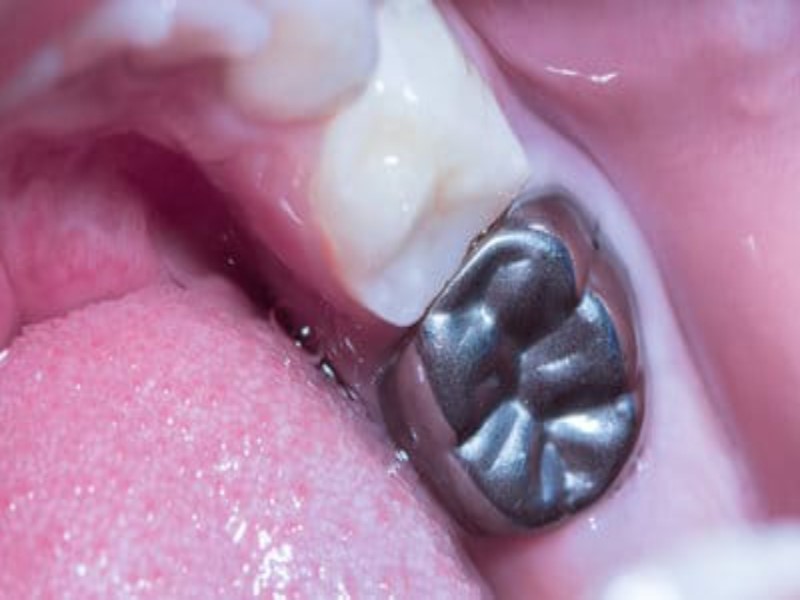
Dental health is an important part of overall well-being, and when teeth become damaged or decayed, choosing the right treatment can make a big difference in long-term comfort and oral function. Two of the most common restorative dental options are crowns and fillings. While both are used to repair teeth, they serve different purposes depending on how much damage has occurred crowns vs fillings . Understanding the difference between crowns vs fillings helps patients make informed decisions and maintain healthier smiles for years to come.
A dental filling is typically used when a tooth has minor to moderate decay or a small area of damage. During the procedure, the dentist removes the decayed portion of the tooth and fills the cavity with a restorative material such as composite resin, amalgam, or ceramic. This restores the tooth’s structure and prevents further decay from spreading deeper. Fillings are widely used because they are quick, effective, and minimally invasive. In most cases, they can be completed in a single dental visit, making them a convenient option for early-stage tooth damage.
Crowns, on the other hand, are used when a tooth is significantly weakened, fractured, or has extensive decay that cannot be repaired with a filling alone. Instead of repairing only part of the tooth, a crown covers the entire visible surface of the tooth like a protective cap. This restores strength, shape, and function while preventing further damage. Crowns are often recommended after root canal treatment, large fractures, or when a tooth has lost too much natural structure. Because they provide full coverage, crowns offer stronger and longer-lasting protection.
The main difference between crowns vs fillings lies in how much of the tooth is restored. Fillings repair small, localized areas of decay, while crowns restore the entire tooth structure above the gum line. Dentists carefully evaluate each case using examinations and X-rays before recommending treatment. If the damage is limited and the tooth is still structurally strong, a filling is usually sufficient. However, if the tooth is weakened or at risk of breaking, a crown becomes the better long-term solution for stability and durability.
Durability is another important factor when comparing crowns and fillings. Fillings can last many years with proper oral hygiene, but they may wear down over time, especially in teeth exposed to heavy chewing pressure. Crowns are generally more durable because they distribute biting forces evenly across the entire tooth. This reduces stress on any single point and lowers the risk of fractures. Materials such as porcelain, ceramic, and metal alloys make crowns highly resistant to wear, making them suitable for molars and other high-pressure teeth.
The procedure for getting a filling is relatively simple and usually completed in one dental appointment. After numbing the area, the dentist removes decay and places the filling material into the cavity. The filling is then shaped and polished to match the natural tooth. Crowns require a more detailed process. The tooth is reshaped, impressions are taken, and a temporary crown is placed while a permanent one is custom-made in a dental laboratory. The final crown is then cemented onto the tooth during a follow-up visit. Although crowns take more time, they provide long-term strength and protection.
Appearance also plays a role in choosing between crowns vs fillings. Modern composite fillings can blend well with natural teeth, especially for small cavities in visible areas. However, larger fillings may still be noticeable depending on their size and location. Crowns, especially those made from porcelain or ceramic, can be carefully matched to surrounding teeth in color, shape, and translucency. This makes crowns a preferred option for front teeth or heavily visible areas where aesthetics are important as well as function.
Cost differences are another factor patients consider. Fillings are generally more affordable because they require less material and a simpler procedure. Crowns are more expensive due to their custom fabrication, additional steps, and stronger materials. However, many patients see crowns as a long-term investment because they offer greater protection and reduce the likelihood of future dental problems. In some cases, choosing a crown early can help avoid repeated treatments and higher long-term costs.
Tooth preservation is also a key consideration in dental treatment planning. Fillings aim to preserve as much natural tooth structure as possible while repairing small areas of damage. Crowns require more reshaping of the tooth, but they provide full protection for teeth that are already significantly compromised. This balance between preserving natural structure and ensuring long-term durability is what guides dentists in choosing the right treatment for each patient.
Both crowns and fillings require good oral hygiene habits to remain effective over time. Brushing twice daily, flossing regularly, and attending routine dental checkups help extend the life of both restorations. Even though crowns are strong, decay can still develop at the edges if oral hygiene is neglected. Fillings may also wear down or loosen over time and eventually require replacement. Consistent dental care is essential for maintaining both types of restorations and ensuring long-lasting results.
In conclusion, crowns vs fillings represent two essential approaches in restorative dentistry, each designed for different levels of tooth damage. Fillings are ideal for small cavities and early decay, offering a quick and conservative solution. Crowns are used for more serious damage, providing full coverage and long-term protection. By understanding these differences, patients can make better decisions with their dentist and choose the most appropriate treatment for maintaining a strong, healthy, and functional smile over time.
Leave a Reply